Commercial design that supports how the business actually runs — efficient layouts, compliant documentation, cost control, construction practicality.

Commercial design with a builder's eye

Commercial buildings live or die on operational fit and total cost of ownership. We design with both in mind. Layouts that match how the business runs, services that don't fight the structure, finishes that endure, and a building that gets to lock-up on time and on budget.

Our portfolio includes long-term relationships with national clients — Cummins Australia, Pandora's retail division, Captain Snooze (manufacturing), Acciona Energy and a long roster of boutique developers and SME owners.
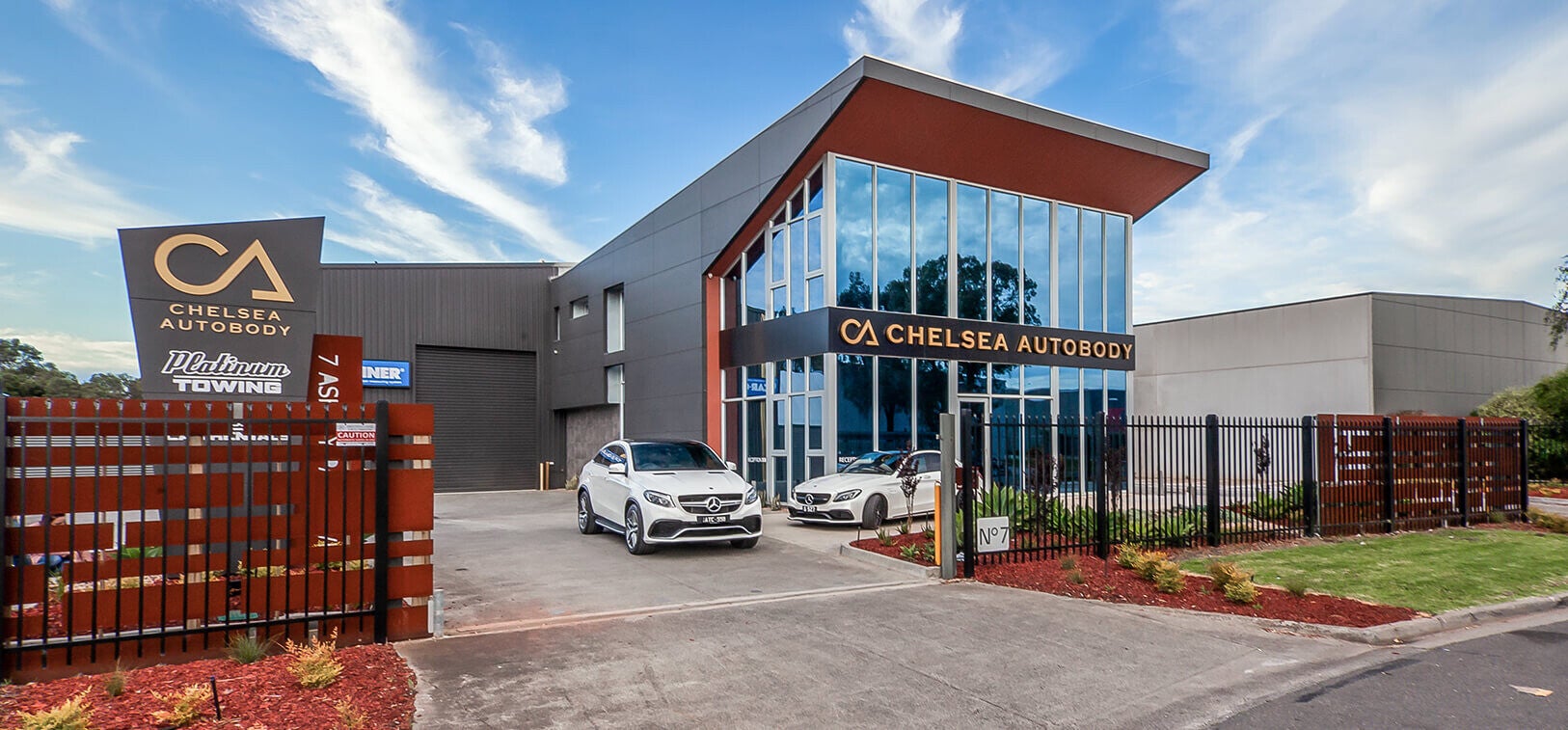
Commercial building design Melbourne — office and retail premises

What we design

  • Office buildings — standalone offices, office floors within mixed-use, headquarters fit-outs.
  • Retail — standalone retail, retail tenancies, showrooms, mixed-use ground floors.
  • Mixed-use developments — residential over retail, commercial over carpark, integrated developments.
  • Hospitality — cafes, restaurants, food and beverage fit-outs.
  • Medical & allied health — consulting rooms, day surgeries, clinics.
  • Office/warehouse — combined commercial and light-industrial premises.
  • Refurbishments — adaptive reuse, building upgrades, common-area regeneration.

Documentation for commercial reality

Commercial projects are sensitive to documentation gaps. Tenancy boundaries, services coordination, BCA compliance for Class 5–9 buildings, DDA access, fire engineering — we issue documentation that resolves these on the page, not in the field. Our experience with consultants, surveyors and authorities streamlines what's often a complex approval pathway.

Change of use is the trap

The most common commercial project we see isn't a new building — it's someone taking a tenancy and discovering the building doesn't legally do what they want it to do yet. A shop becoming a food premises, an office becoming a medical suite, a warehouse becoming a gym.

Each of those is a change of use, and it can trigger two separate things at once: a planning permit (because the zone controls the use) and a building permit with an upgrade to match the new classification. Signing a lease before establishing this is the single most expensive mistake in commercial fit-out, and it happens constantly.

Before you sign: the questions worth answering are what the zone permits, what the building is currently classified as, what it would need to be, and who pays for the gap. That's a feasibility conversation, not a design one.

Classification decides the budget

Under the National Construction Code, an office is Class 5, a shop is Class 6, a restaurant or assembly space is Class 9b, and a health-care or care-based use has its own requirements again. Classification isn't administrative trivia — it drives egress, fire separation, sanitary facility numbers, ventilation and accessibility.

Move from a Class 6 shop to a Class 9b assembly use and the required exits, travel distances and amenities can change substantially. That's the gap that eats fit-out budgets when it's discovered late.

Access and amenity are not optional

  • Accessible entry and path of travel — from the street boundary in, to the standards that apply to public buildings.
  • Sanitary facilities — including accessible provision, calculated on occupancy, not on preference.
  • Egress — number of exits, travel distances, door swings and hardware.
  • Essential Safety Measures — Victorian buildings other than houses carry ongoing maintenance obligations for the safety measures documented at permit stage. What gets specified becomes what gets maintained, and audited.

Base building versus fit-out

Two different scopes, two different permits, frequently two different parties paying. Understanding where the landlord's base building stops and your fit-out starts determines who funds the upgrade when the building doesn't meet what your use requires. The lease answers this. So should the drawings, before anyone commits.

Documentation that prices honestly

Commercial work is usually tendered, often on a programme, and almost always with a rent clock running. A vague set means padded prices and variations, and on a fit-out the variations arrive while you're paying rent on premises you can't trade from.

We document commercial work the way we document everything — for the builder as much as the surveyor. See working drawings, town planning drawings for the change-of-use application, and our project work.

Ready to start your project?

Site address, sketch, brief, or just a question — we'll respond within one business day.