A complete, coordinated building permit set — buildable, costable and ready to price. The kind of documentation that doesn't generate fifty RFIs the moment it hits the builder's desk.

Documentation builders can actually build from

The single biggest cost overrun on any project is bad documentation. Drawings that don't agree with each other. Specifications nobody can find. Details that don't actually resolve. Engineering issued months after the architect's set, with conflicting information that nobody catches until concrete is being poured.

Our background is construction. We document the way good builders want to receive documents — coordinated across disciplines, consistent across plans, with the construction details actually resolved. The result: cleaner pricing, fewer variations, smoother builds.
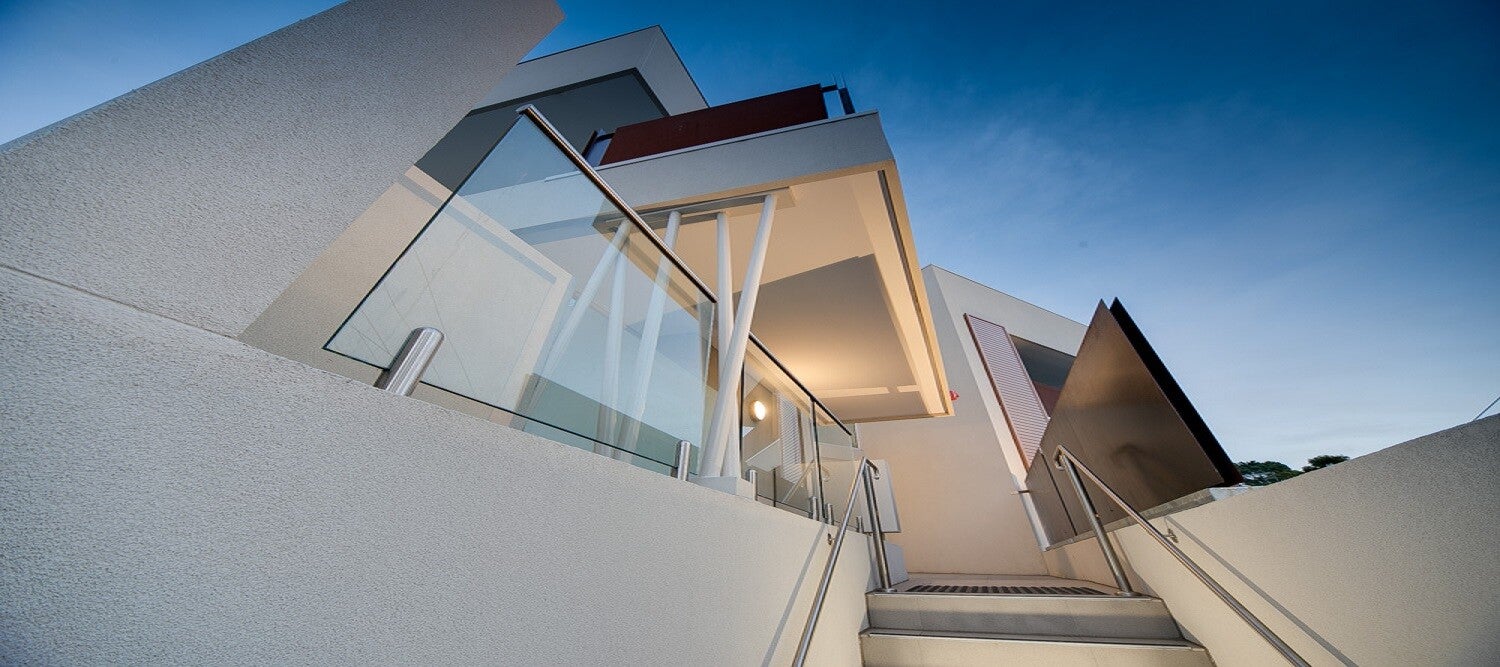
Building permit drawings Melbourne — coordinated working drawings

What's in a BuiltIN building permit set

  • Working drawings — full plan set including site plan, floor plans, elevations, sections, roof plan, slab plan, framing plans.
  • Construction details at appropriate scales — junctions, waterproofing, flashings, balustrades, stairs.
  • Schedules for windows, doors, fixtures and finishes.
  • Specifications coordinated with the drawings.
  • Engineering coordination — structural drawings cross-referenced and reviewed.
  • Energy report integration — 6-star (or higher) compliance documented in the set.

Consultant coordination

We work with structural engineers, civil engineers, hydraulic and mechanical consultants, energy raters, building surveyors and land surveyors. We don't just throw their drawings into the back of the set — we read them, query them, and resolve conflicts before issue.

BCA, NCC & surveyor liaison

We document for code compliance from day one — the BCA, the NCC and any state-specific provisions that apply. Building surveyor questions are answered fast, with respect for the time pressure most projects sit under. Discuss your permit set →

Managing the permit, not just drawing it

The building permit is the approval people worry about least and get stuck on most. Planning feels adversarial so it gets attention; the building permit feels administrative — until a surveyor returns a list and clearing it takes six weeks because three consultants have to re-agree with each other.

This page is about running that process. What goes into the documentation — the sheet list, the details, the schedules — is covered on building permit drawings.

A different assessor, a different rulebook

Worth being precise, because conflating the two permits is the most expensive misunderstanding in Victorian residential construction. A planning permit is assessed by your council against the planning scheme — zone, overlays, ResCode. A building permit is issued by a registered building surveyor against the National Construction Code and the Victorian building regulations. Not every project needs the first. Everything involving building work needs the second.

The parts nobody warns you about

  • Report and consent. Where a proposal does not meet certain siting requirements — setbacks, site coverage, overshadowing of a neighbour's open space, overlooking — the surveyor cannot simply approve it. Council's building department has to consider it and consent. Common, manageable, and a genuine addition to your programme if discovered late.
  • Protection work. Building close enough to affect a neighbour's structure triggers a separate process, with notices, before work starts. It involves your neighbour, which means it involves time.
  • Consistency with the endorsed planning drawings. Quietly improving the design between planning approval and permit documentation is a well-travelled route to an amended planning application and several lost months.
  • The energy report. Not a form filled at the end. Its assumptions about glazing, insulation and orientation have to match what the drawings actually show.

What stalls permits is contradiction, not omission. The architectural set says one window size, the energy report assumed another, the engineer sized a beam for a third. Each document is individually fine. Together they do not describe a building that can exist — and the surveyor is the one who notices.

What we actually do

  • Prepare documentation that is internally consistent and consistent with what council endorsed.
  • Coordinate the team the permit depends on — structural engineer, energy rater, land surveyor — in the right order, so you are not paying twice when the design settles.
  • Liaise with your building surveyor, and identify early whether report and consent or protection work applies rather than discovering it at assessment.
  • Respond to the surveyor's requests properly and once.

Related: working drawings — the same set, seen from the builder's side — and construction support for what happens after the permit issues.

Ready to start your project?

Site address, sketch, brief, or just a question — we'll respond within one business day.